AAOIFI-IsDB 19th Annual Islamic Banking and Finance Conference 2024
“Leveraging Islamic Finance to Build a Sustainable, Efficient and Resilient Halal Ecosystem for Muslim Economies”
Sunday & Monday, 1-2 Jumada al-awwal 1446 Hㅤㅤ 3-4 November 2024, Kingdom of Bahrain
- 00Days
- 00Hours
- 00Minutes
- 00Seconds
AAOIFI-IsDB 19th Annual Conference
Register Now
AAOIFI-capacity building week 2nd Edition
2 November 2024 and 5-8 November 2024
About the event
The current global economic, financial, social and environmental ecosystem is at a critical juncture, necessitating a fundamental rethink due to several pressing issues. Rising geopolitical tensions, persistent high inflation in various regions, environmental degradation and rapid technological advancements are collectively disrupting the economic foundations. Additionally, these complex challenges are exacerbated by growing social and economic inequalities, leading to heightened disparities and social unrest worldwide. Conventional economic and financial models have struggled to address these multifaceted problems effectively. They often prioritise short-term gains over long-term sustainability, addressing symptoms rather than the root-causes. This approach perpetuates a cycle where solving one problem inadvertently spawns new ones, as the core underlying assumptions and principles of these models remain largely unexamined.Furthermore, they largely neglect social responsibilities and contribute to excessive dependence on financial markets, which fails to adequately support the real economy and promote environmental stewardship. Consequently, these models fall short in building a just and equitable economic and financial system. In this context, the concept of Halal—encompassing a comprehensive ethical framework detailing what is permitted, pure and lawful in all aspects of a Muslim’s life—combined with the principles, rules and values of Islamic finance, which emphasise risk-sharing, asset-backing, social responsibility and ethical considerations, offers a promising framework for sustainable economic development. Together, they advocate for just and equitable distribution of economic resources, environmental stewardship and advancement of social justice. This holistic approach presents a pathway to address these global challenges more effectively and efficiently, ensuring sustainable development that benefits all segments of society. The 19th edition of the AAOIFI-IsDB Islamic finance and banking conference seeks to outline actionable steps toward leveraging Islamic finance in building a sustainable, efficient and resilient Halal ecosystem for Muslim economies
Add Your Heading Text Here
Tentative Agenda

Bahrain Time (GMT +3)
- Day 1
- Day 2
Schedule of Day 1
8:00-9:00
9:00-10:15
Recitation of the verses from the Holy Quran
Keynote address:
Conference patron’s keynote address:
Keynote address:
Special speech:
Special speech:
Welcome address: Mr. Omar Mustafa Ansari, Secretary General, AAOIFI, Kingdom of Bahrain
10:15–10:45
Token of appreciation for guests of honour and sponsors of the conference
Agreements / MOUs signing ceremony
10:45–11:15
11:15–11:45
Celebrating IsDB’s golden jubilee: Contribution to developing sustainable
economic, financial and social systems of member countries
This interview explores IsDB’s influential role over the past 50 years in improving the lives
of the Muslim people by advancing sustainable economic, financial and social systems and
practices across its member countries. The session will cover IsDB’s strategic approaches,
spotlight successful initiatives and discuss innovative projects that have made a significant
impact. Additionally, future directions and strategies will be discussed to ensure continued
success for IsDB and its member countries.
11:45–12:55
The fragmented and siloed nature of the Islamic finance sector presents notable
challenges in advancing a cohesive and thriving Halal economy. Currently, Islamic financial
institutions are perceived to concentrate disproportionately in financing and investing
in the conventional corporate sector (which is agnostic to Islamic finance in nature), the
government securities and certain other traditional investment and financing avenues.
Hence, such Islamic finance offerings are often disconnected from real economy sectors,
limiting their impact and creating inefficiencies in resource allocation. This lack of
integration impedes the growth of Halal sectors—such as food and beverages, fashion,
media and recreation, pharmaceutical and travel and tourism—and complicates efforts to
establish a unified framework for the Halal economy.
This session will focus on how Islamic finance can be strategically leveraged to support
and expand Halal sectors by shifting investments from corporate sector and traditional
avenues of investment and financing into core Halal industries (including startups, SMEs
and agriculture sectors). Additionally, the session will discuss the roles that regulators,
businesses and consumers can play in contributing to and benefiting from this transition,
thereby fostering a sustainable and resilient Halal economy.
Main topics
Scope and components of a Halal economy, including its relationship with Islamic finance
The importance of having Halal standards alongside Islamic finance standards
Strategies for integrating Islamic finance into diverse economic sectors
Regulatory reforms necessary to support and advance a cohesive Halal economy
Utilising technology and digital solutions to streamline and expedite the integration process
12:55 – 13:55
13:55 – 14:05
14:05–15:15
Food security remains a pressing issue at a global scale, and particularly in certain Muslim-
majority countries, where the reliance on high-cost food imports undermines efforts to
achieve self-sufficiency and resilience. The current supply chains are often fragmented and
inefficient, exacerbated by a disconnect between Islamic finance and the agricultural and
food production sectors. This lack of integration limits the ability to develop sustainable,
locally or regionally driven solutions.
This session aims to explore strategic uses of Islamic finance in building resilient supply
chains primarily through investment in Muslim-majority countries regionally that prioritises
food security. Drawing from real-world case studies and expert insights, the session will
examine how Islamic finance can strengthen supply chain infrastructure, promote equitable
access to agricultural inputs and financing and encourage sustainable farming and food
processing methods. It will also highlight the crucial roles of policymakers, regulators and
other stakeholders in creating an enabling environment for this integration.
Main topics
Challenges within current food supply chains in Muslim-majority countries and the limitations posed by conventional financing methods
Strategies for integrating Islamic finance principles into the agricultural and food production sectors to enhance resiliency and sustainability
The role of Islamic social and commercial microfinance instruments in supporting food security initiatives and promoting sustainable agriculture
Need for collateral management and electronic warehousing setups to support and streamline the food supply chains
The role of technology and digitalisation in enhancing supply chain transparency and traceability
The importance of collaboration between financial institutions, agribusinesses andpolicymakers in advancing food security and sustainable practices
Ensuring equitable access to financing and resources for smallholder farmers to boost their participation in the food supply chain
Potential of multinational Islamic financial institutions in initiating strategic relationship between stakeholders in their respective jurisdictions
15:15–15:30
15:30–15:40
15:40–16:50
Muslim-majority countries face escalating economic challenges exacerbated by geopolitical
tensions, market volatility and the enduring effects of the disruptions created by the
COVID-19 pandemic. Conventional financial systems have frequently fallen short in
addressing the needs of struggling economies and supporting vulnerable or marginalised
communities. This session will examine the transformative potential of Islamic social finance
instruments such as Zakah, Waqf and Qard Hasan, in revitalising Muslim economies during
these difficult economic times.
Islamic social finance offers a unique approach to economic revitalisation by mobilising
resources for sustainable development while upholding ethical investment practices centred
on social justice and community solidarity. These instruments provide a framework where
economic resilience is closely linked with social welfare, enabling local communities to
better withstand economic shocks and enhance self-sufficiency. The session will explore how
integrating Islamic social finance with Islamic finance can facilitate a shift toward a more
equitable and resilient economic systems, enhancing overall stability and sustainability.
Main topics
The role of Islamic social finance in supporting vulnerable communities and micro, small and medium enterprises (MSMEs) during economic crisis, addressing high levels of poverty, unemployment and income inequity
Innovations in digital and technology-based solutions for Islamic social finance to drive economic revitalisation
Leveraging Waqf endowments for infrastructure development and essential social services, and using Qard Hasan as a catalyst for financial inclusion and entrepreneurial empowerment, particularly at the micro financing level
Strategies for scaling and institutionalising Islamic social finance through supportive regulatory frameworks and policies and capacity building initiatives for stakeholders
Collaborative approaches involving public, private and civil society sectors to enhance the effectiveness and reach of Islamic social finance initiatives
Identifying and addressing the challenges and limitations faced by Islamic social finance in achieving its goals
16:50
Schedule of Day 2
9:00-9:10
9:10-10:20
As the Islamic finance industry continues to expand globally, both horizontally and
vertically, a growing number of conventional financial institutions and even some Muslimmajority countries are converting their operations and their economies to be Shari’ah
compliant. However, this conversion process, whether at the institutional or at the national
level, has proven to be complex and fraught with challenges.
The lack of clear guidance and resources has made the conversion process slow, uncertain
and challenging. Successful conversion requires a multifaceted approach that addresses
political, economic, financial, legal and social considerations from strategic, technical and
operational perspectives. Crucially, this endeavour necessitates the active involvement
and alignment of all relevant stakeholders, including policymakers, regulators, financial
institutions, businesses and public at large. This session aims to provide a comprehensive
understanding of the multifaceted challenges and opportunities involved in the conversion
process, and strategies for overcoming those challenges, both at the institutional and the
national economies levels.
Main topics
Development of Islamic fiscal and monetary policies, including the establishment of
Shariah-compliant benchmark rates
Converting international borrowing to Shariah compliant modes
Developing financial instruments and markets that cater to the financing needs of the
real economy in Islamic capital markets
Enhancement of financial inclusion and innovation through the adoption of Islamic
FinTech solutions
Incorporation of Islamic social finance instruments such as Zakat, Waqf and Qard Hasan
into the broader economic framework
Alignment of the transformation process with the overarching framework of Maqasid Al
Shariah
10:20 – 11:30
Islamic finance has the potential to significantly advance sustainability by adhering to
the principles of Maqasid Al Shariah, which, inter alia, emphasise economic, social and
environmental well-being. AAOIFI has consistently embedded these principles in its
standards and is now committed to developing dedicated governance and accounting
standards / disclosure guidelines specifically focused on sustainability. This session will
delve into AAOIFI’s strategic roadmap, which includes the declaration signed with IFSB and
CIBAFI at the COP28 event, spearheaded by the Central Bank of UAE, underscoring a unified
commitment to fostering sustainability in Islamic finance.
The session will explore both the strategies and challenges for integrating Maqasid Al Shariah
into the core operations of Islamic financial institutions, particularly regarding sustainability principles. The panel discussion will address the unique needs, requirements and expectations
of Islamic finance stakeholders and the obstacles to implement sustainability standards
specifically in the areas of governance and accounting. Additionally, collaborative efforts and
future directions for promoting sustainability in Islamic finance will also be explored.
Main topics
Integration of Maqasid Al Shariah into sustainability practices in Islamic finance
Relevance and adequacy of standards issued by International Sustainability Standards Board (ISSB) for Islamic finance
Unique need and expectations of Islamic finance stakeholders regarding sustainability
Challenges and solutions for embedding sustainability within the Islamic finance framework
Implications of insights from the Islamic finance infrastructure bodies’ declaration at COP28
Practical strategies for implementing sustainability standards in Islamic finance
Future directions and collaborative opportunities for advancing sustainability in Islamic finance
11:30 – 12:00
12:00 – 12:10
12:10 – 13:20
The increasing systemic significance of conventional financial institutions offering Islamic
financial services has highlighted the need for robust governance, compliance and reporting
mechanisms. Over the past decade, these institutions have become key players in significant
Islamic finance markets, a trend expected to continue. Nevertheless, there is an opportunity
to further strengthen the alignment of their Islamic financial services with established
Shari’ah principles and rules and enhance the transparency of their presentations.
The session will explore the dynamics of Islamic finance windows, the need for enhanced
governance and the importance of clear financial reporting. The goal is to ensure that
these windows operate transparently and maintain stakeholders’ trust.
Main Topics:
The role of participatory financing in sustainable economic development
Governance frameworks for ensuring Shari’ah compliance in participatory financing
Accounting and financial reporting challenges and solutions in managing participatory financing instruments
Innovations in participatory financing instruments to drive economic growth
Risk management strategies for participatory financing
Collaborative approaches to overcoming governance and accounting challenges inparticipatory financing
13:20 – 14:20
14:20 – 15:20
Participatory financing holds immense potential for driving sustainable economic
development. These financing mechanisms not only promote economic growth but also
ensure equitable wealth distribution and social justice. Additionally, these participatory
structures encourage and enable risk-sharing capital availability and hence enhance the
capability for entrepreneurship. However, the effective implementation and scaling of
participatory financing face significant governance and accounting challenges that need to
be addressed to fully harness their potential.
This session will explore the strategic role of participatory financing in sustainable economic
development, focusing on the governance and accounting frameworks required to support
these instruments. The discussion will delve into the complexities of ensuring compliance
with Shari’ah principles and rules, maintaining transparency and managing risk while
ensuring appropriate financial reporting. Additionally, the session will highlight innovative
practices and collaborative strategies to overcome these challenges, drawing on insights
from industry experts and case studies.
Main topics:
The role of participatory financing in sustainable economic development
Governance frameworks for ensuring Shari’ah compliance in participatory financing
Accounting and financial reporting challenges and solutions in managing participatory
financing instruments
Innovations in participatory financing instruments to drive economic growth
Risk management strategies for participatory financing
Collaborative approaches to overcoming governance and accounting challenges in
participatory financing
15:20 – 15:50
15:50
Speakers
Interview Session
Celebrating IsDB’s golden jubilee: Contribution to developing sustainable economic, financial and social systems of member countries
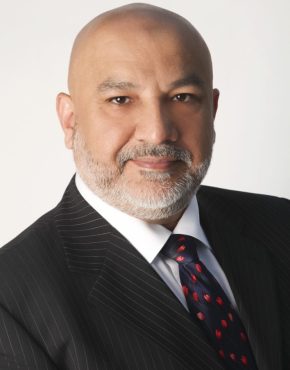
Mr. Farrukh Raza
Chairman – AAOIFI Governance and Ethics Board
Session 1
Leveraging Islamic finance to transition from Halal finance to Halal economy
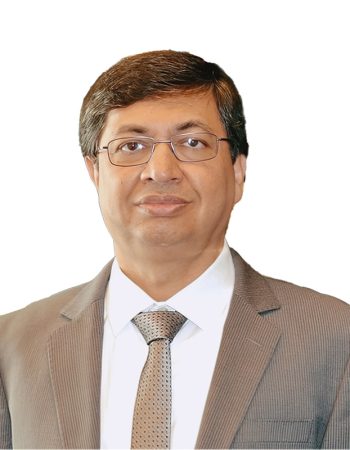
Mr. Mohammed Kabir
Member, Governance and Ethics Board, AAOIFI; Chairman, AAOIFI Education Board; Professor of Finance_ The University of New Orleans
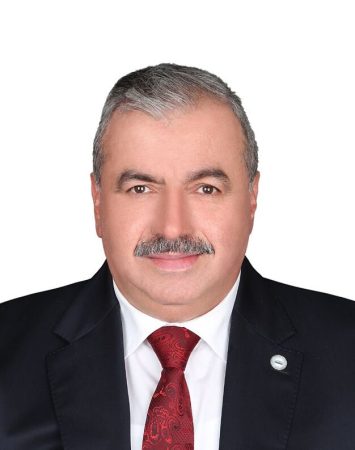
Mr. Ihsan Ovut
SG _ The Standards and Metrology Institute for the Islamic Countries

Sh. Dr. Yousef Hasan Khalawi
Secretary General Islamic Chamber of Commerce, Industry and Agriculture KSA
Session 2
Role of Islamic finance in establishing sustainable supply chains and ensuring food security in Muslim-majority countries

Dr. Bello Lawal Danbatta
AAOIFI Accounting Board Member

Dr. Syed Nazim Ali
Director of Research Division & Center of Islamic Economics and Finance, College of Islamic Studies - Hamad Bin Khalifa University
Session 3
Emergence of the role of Islamic social finance in revamping Muslim economies during difficult economic times

Dr. Monzer Kahf
Consultant/Trainer/Lecturer, Islamic banking, finance and economics

Dr. Aishath Muneeza
Shariah Committee Member_ Maldives Islamic Bank Plc

Dr. Ashraf Hashim
CEO - International Shariah Research Academy (ISRA)
Session 4
Challenges in conversion of Islamic finance from institutions to countries

Justice Dr Syed Muhammad Anwer
Alim Judge _ Federal Shariat Court of Pakistan
Report Launch

Mr. Mustafa Adil
Head of Islamic Finance_ London Stock Exchange Group (LSEG)
Session 5
AAOIFI’s roadmap for shaping the sustainability agenda for Islamic finance tailored to the unique needs and expectations of its stakeholders
Session 6
Enhancing transparency and accountability in Islamic finance windows

Mr. Walid Hegazy
Managing Partner & Co- Founder_ Hegazy & Partners

Dr. Mohammad Ali Allawala
Global Head of Islamic Wealth and Retail Banking; and Head of Islamic Banking, Standard Chartered, UAE
Session 7
Leveraging participatory financing for sustainable economic development: Governance and accounting challenges
Add Your Heading Text Here
Partners
Organized By

Supported By
In Cooperation with
Major Sponsor

Gold Sponsor